
Gucci is vacating its location on one of New York City’s most prominent retail corridors, a move that signals shifting dynamics in the luxury retail market and raises questions about the future of high-end brick-and-mortar retail in Manhattan. The departure, reported on August 20, 2026, comes amid broader changes in the city’s retail landscape.
According to Crain’s New York, Gucci’s decision to leave its current location reflects the complex pressures facing luxury retailers in New York, including high rents, changing consumer shopping habits, and the evolving geography of Manhattan’s prime retail districts.
The departure is notable because it involves a marquee luxury brand leaving a corridor that has been considered one of the city’s most desirable retail addresses. For years, luxury brands have competed fiercely for space on Manhattan’s premier shopping streets, paying record rents for flagship locations that served as much as marketing investments as sales drivers.
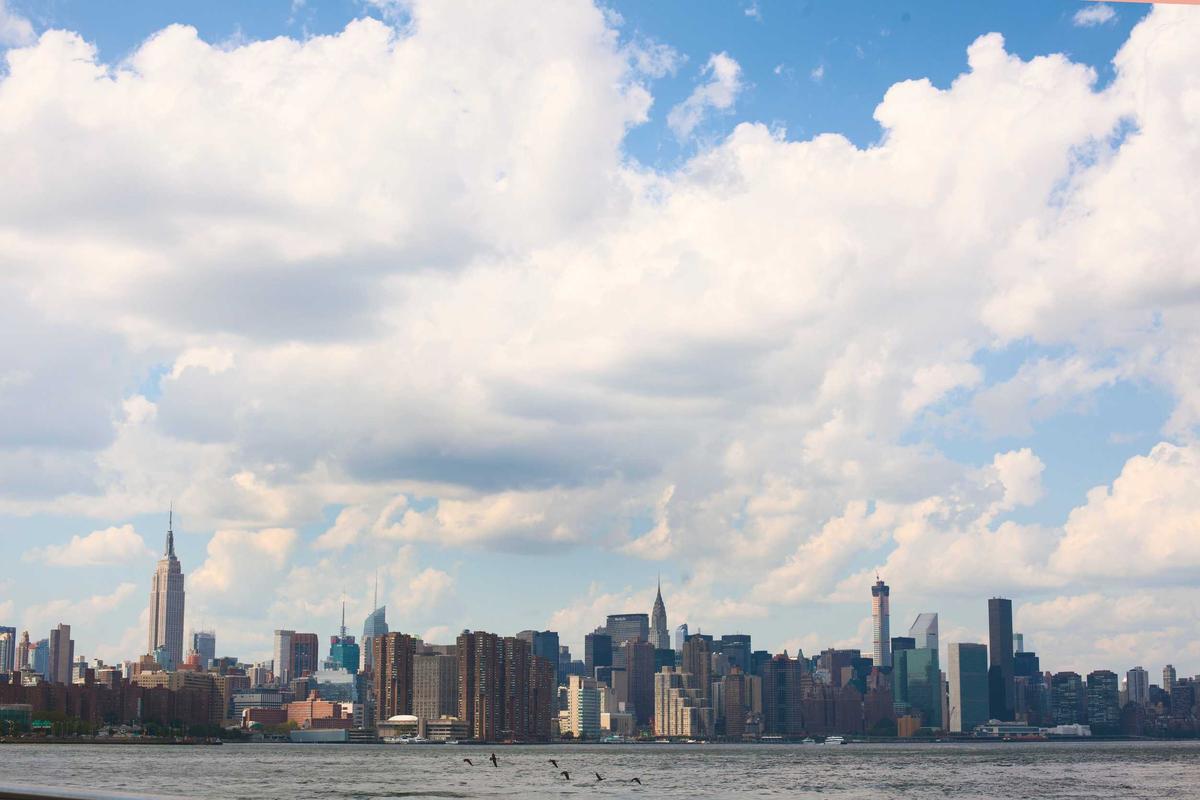
The move comes as Manhattan’s retail landscape undergoes significant transformation. Several factors are reshaping the market: the continued growth of e-commerce, changing tourist flows, shifts in where affluent consumers live and shop within the city, and the broader economic environment affecting discretionary spending.
For New York’s commercial real estate market, Gucci’s departure creates a high-profile vacancy at a time when retail leasing has been uneven across Manhattan. While some corridors have seen strong recovery and rising rents, others continue to struggle with elevated vacancy rates. The loss of a luxury anchor tenant can have a cascading effect, potentially affecting neighboring businesses and landlords’ ability to lease adjacent spaces.
The Gucci departure also highlights the changing geography of luxury retail in New York. While traditional corridors like Fifth Avenue and Madison Avenue remain prestigious, some luxury brands have been exploring alternative locations, including downtown neighborhoods and mixed-use developments that combine retail with residential, office, and hospitality components.
Industry observers note that luxury brands are becoming more strategic about their physical footprints, focusing on fewer but more impactful locations rather than maintaining stores on every major corridor. This approach reflects a recognition that the role of physical stores is evolving from pure sales channels to experiential brand destinations.
For smaller retailers and businesses near Gucci’s current location, the departure could mean reduced foot traffic, as the luxury brand’s presence has historically drawn high-spending consumers to the area. The timing of the departure and the ability of the landlord to backfill the space with a comparable tenant will be closely watched by retail market participants.
The broader implication for New York’s retail sector is that even the most prestigious locations are not immune to the forces reshaping retail. Landlords and city officials may need to adapt to a retail landscape where tenant turnover is higher and the mix of uses on shopping corridors is more fluid than in the past.