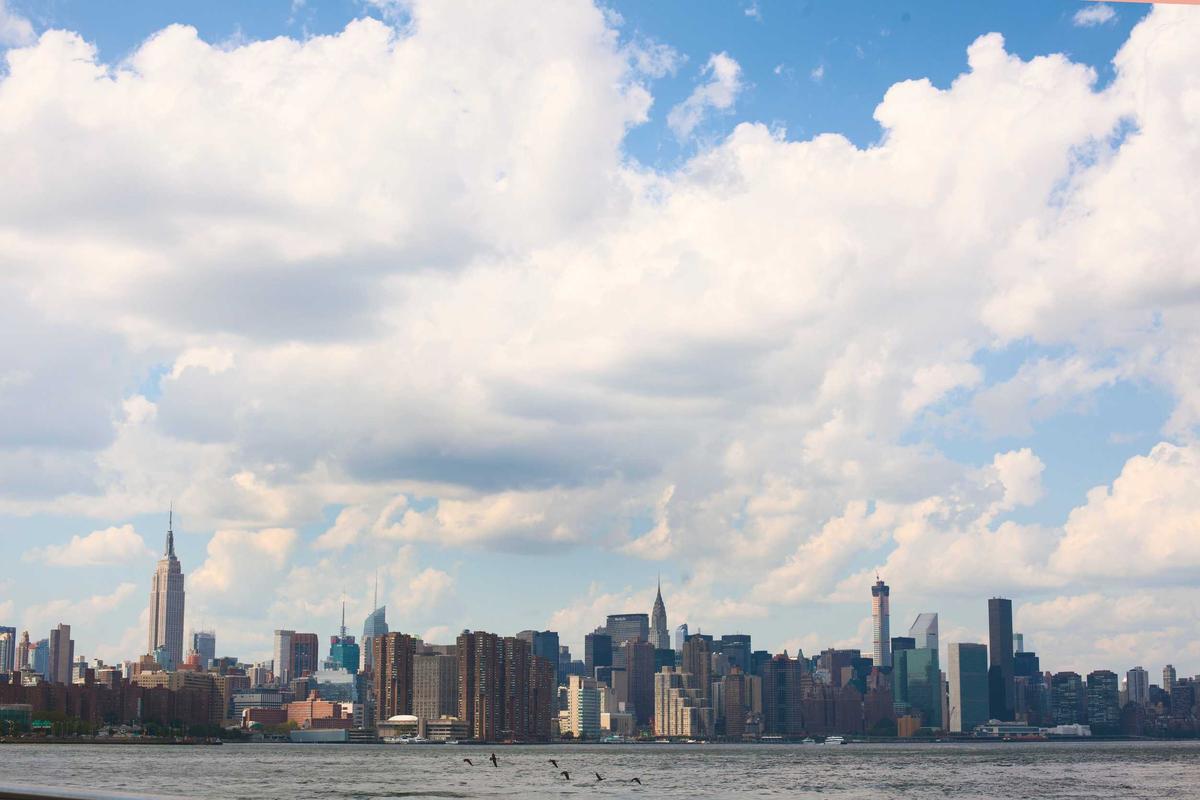

Three office buildings in Manhattan’s NoHo neighborhood have changed hands for the first time in more than five decades, marking a rare ownership transition in one of New York City’s most historically stable real estate submarkets. The sale, reported on August 20, 2026, highlights both the enduring appeal of downtown Manhattan properties and the shifting investment calculus for office real estate.
According to Crain’s New York, the buildings — located in the NoHo Historic District — had been under the same ownership for over 50 years, making the transaction a generational change for the neighborhood. The sale price and buyer were not immediately disclosed, but the properties are expected to command significant interest given their location in one of Manhattan’s most desirable residential and commercial neighborhoods.
The transaction is notable in the context of New York’s office real estate market, which has been navigating a complex post-pandemic environment. While some segments of the office market have struggled with elevated vacancy rates and declining values, properties in highly sought-after neighborhoods like NoHo have demonstrated greater resilience.
NoHo, located just north of SoHo and bounded by Houston Street to the south and Astor Place to the north, has evolved into one of Manhattan’s most coveted neighborhoods. Its mix of historic architecture, boutique retail, and proximity to major transportation hubs has made it attractive to both residential and commercial tenants, supporting property values even as the broader office market has faced headwinds.
The sale of buildings held for over 50 years represents a significant unlocking of real estate value. Properties acquired decades ago likely have very low cost bases, meaning the transaction will generate substantial capital gains for the seller. For the buyer, the acquisition represents a long-term bet on the continued desirability of the NoHo submarket.
For New York’s broader real estate community, the transaction signals that investors remain willing to make significant bets on prime Manhattan office properties, despite the sector’s challenges. The key differentiator appears to be location quality: buildings in top-tier neighborhoods with strong residential and retail characteristics are trading, while commodity office space in less differentiated locations continues to face pricing pressure.
The new ownership may consider renovations, repositioning, or adaptive reuse strategies to maximize the value of the properties. In NoHo, there is precedent for converting older office buildings to residential or mixed-use properties, though such conversions face regulatory and engineering challenges.
The sale also reflects a broader generational transition in New York real estate ownership, as long-held family or institutional portfolios come to market. Properties that were acquired in the 1970s and 1980s — a period of significant disinvestment in Manhattan real estate — are now being transferred to a new generation of owners with different investment horizons and renovation strategies.
For the NoHo neighborhood, new ownership could bring fresh investment in building maintenance, tenant improvements, and potentially ground-floor retail repositioning, all of which could affect the character of one of Manhattan’s most distinctive neighborhoods.