
The Dutch central bank has withdrawn more than 78 metric tons of gold from the Federal Reserve Bank of New York, citing ‘increasing geopolitical unrest’ as European nations increasingly reassess their reliance on US financial institutions. The move makes the Netherlands the second European country this year to reduce its gold holdings in New York.
De Nederlandsche Bank reallocated approximately 86 metric tons of gold held across the US and Canada, largely moving reserves to London. DNB governor Olaf Sleijpen said the relocation was designed to strengthen crisis readiness and improve the tradeability of gold reserves. Most of the bullion did not physically cross the Atlantic; only about 27 metric tons were transported, while DNB sold much of its remaining North American holdings and purchased replacement gold in London.
Earlier this year, France eliminated its remaining New York gold holdings, selling 129 metric tons and repurchasing equivalent gold in Paris. The Banque de France explicitly ruled out a political explanation for the move. Germany, which holds 3,350 metric tons of gold with 1,236 tons stored at the New York Fed, has seen lawmakers publicly question whether keeping reserves in the US remains prudent.
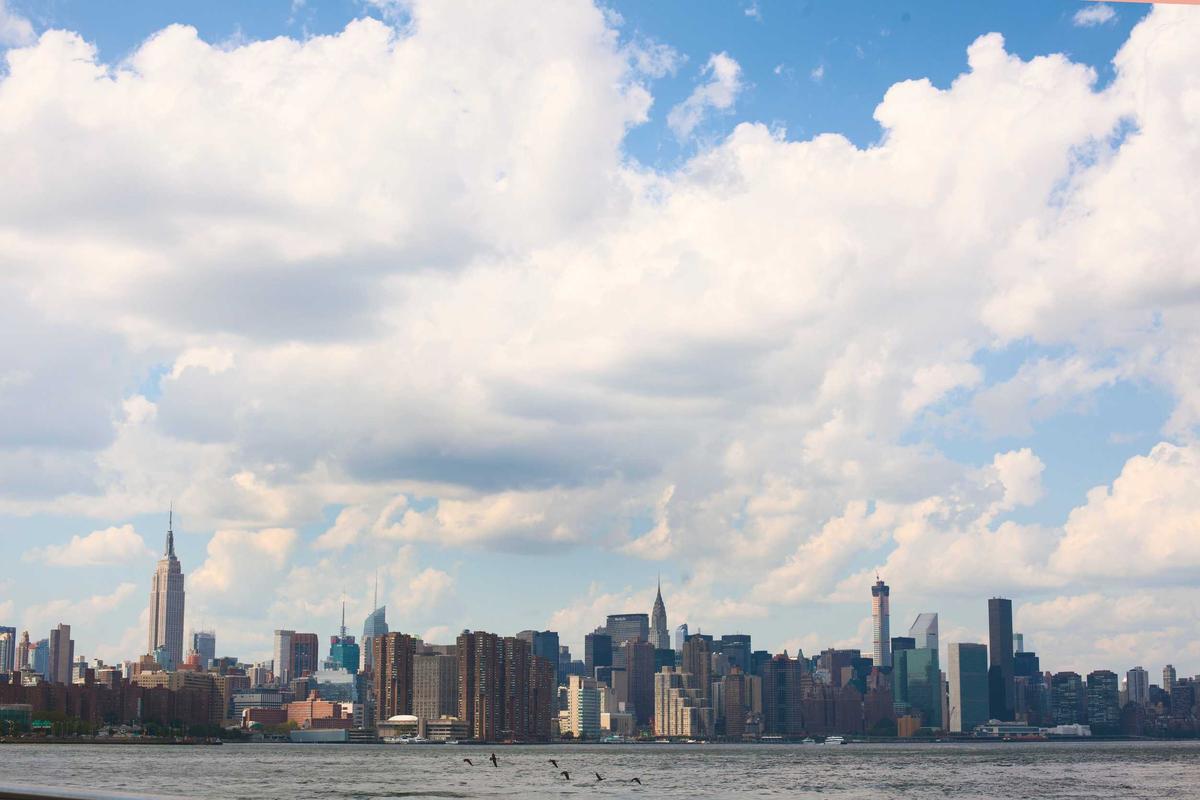
The Federal Reserve Bank of New York, located in lower Manhattan, serves as custodian for foreign government gold holdings. The bank’s vault, situated 80 feet below street level, is one of the world’s largest repositories of monetary gold. The withdrawal of European gold highlights questions about the future role of New York as the world’s premier financial safe haven.
German lawmaker Markus Ferber warned last year that Trump’s unpredictability created risk around holding foreign reserves in the US. Michael Jäger of the European Taxpayers Association argued that German gold was ‘no longer safe’ in Fed vaults. However, Bundesbank President Joachim Nagel rejected these concerns, noting that foreign central bank assets enjoy special legal protections and that the US would ‘hurt itself most’ by calling that status into question.
Neither the Dutch nor French central banks blamed the Trump administration or suggested Washington planned to seize reserves. However, the trend reflects a broader reassessment of geopolitical risk and the concentration of national assets in single jurisdictions, a development that could have long-term implications for New York’s role in global finance.
Source: NY Post