
Commuters across Long Island and eastern Queens faced a second day of severe disruption Thursday as workers on the Long Island Rail Road remained on strike, leaving New York’s busiest commuter railroad largely shut down during the morning and evening rush. ABC News reported that New Yorkers were bracing for continued “commuter chaos” as negotiators for the railroad and its unions have so far failed to reach agreement on a new contract.
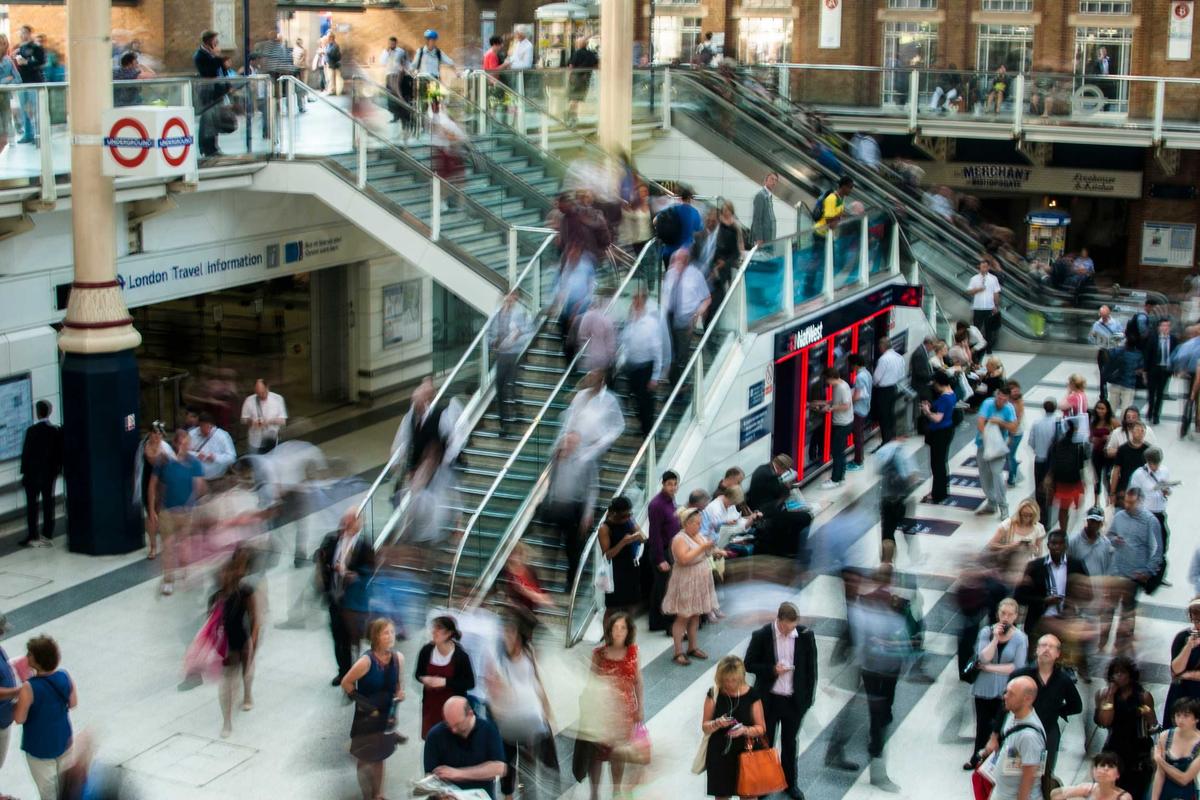
The LIRR carries roughly 300,000 riders on an average weekday, making it the busiest commuter railroad in North America, and its termination points at Penn Station and Grand Central Madison make it a backbone of the city’s morning economy. With trains halted, tens of thousands of workers have been forced onto buses, ride-hailing services and personal vehicles, increasing congestion on the Long Island Expressway and putting pressure on parking at stations near subway connections.
Small businesses along commuter corridors are among the most exposed. Coffee shops, dry cleaners and parking operators that depend on the morning train crowd have reported sharply reduced foot traffic, and employers in Midtown and the Financial District have urged staff to work remotely where possible. Long Island’s business groups have warned that each strike day carries costs for retailers heading into the holiday season, when commuter spending typically rises.
The strike adds a new complication to an already crowded transit agenda. Mayor Zohran Mamdani’s administration broke ground Thursday on a bus-speed project along DeKalb and Lafayette avenues in Brooklyn, part of the city’s push for faster surface transit — but commuter rail policy is controlled by the state, through the Metropolitan Transportation Authority, leaving the mayor with limited direct leverage to resolve the impasse.
Governor Kathy Hochul’s office has so far not ordered the railroad’s unions back to work under the state’s Taylor Law, which prohibits public employee strikes and can carry penalties including loss of pay and jail time for union leaders. The MTA has been seeking concessions on work rules and schedules while the unions representing LIRR workers have pressed for wage increases to match the pace of regional inflation.
For now, riders are being advised to check the MTA’s website for limited substitute bus service and to expect crowded platforms at subway stations in Jamaica, Long Island City and Atlantic Terminal, where displaced riders are converging. Business groups in both Manhattan and Nassau County have called for binding arbitration to end the shutdown quickly, arguing that every additional day compounds the economic damage — a message that will be tested as the strike moves into the weekend. The MTA has not announced a timeline for a vote on a revised offer, and union leaders have said picket lines will remain up through the weekend unless a deal or arbitration intervenes.