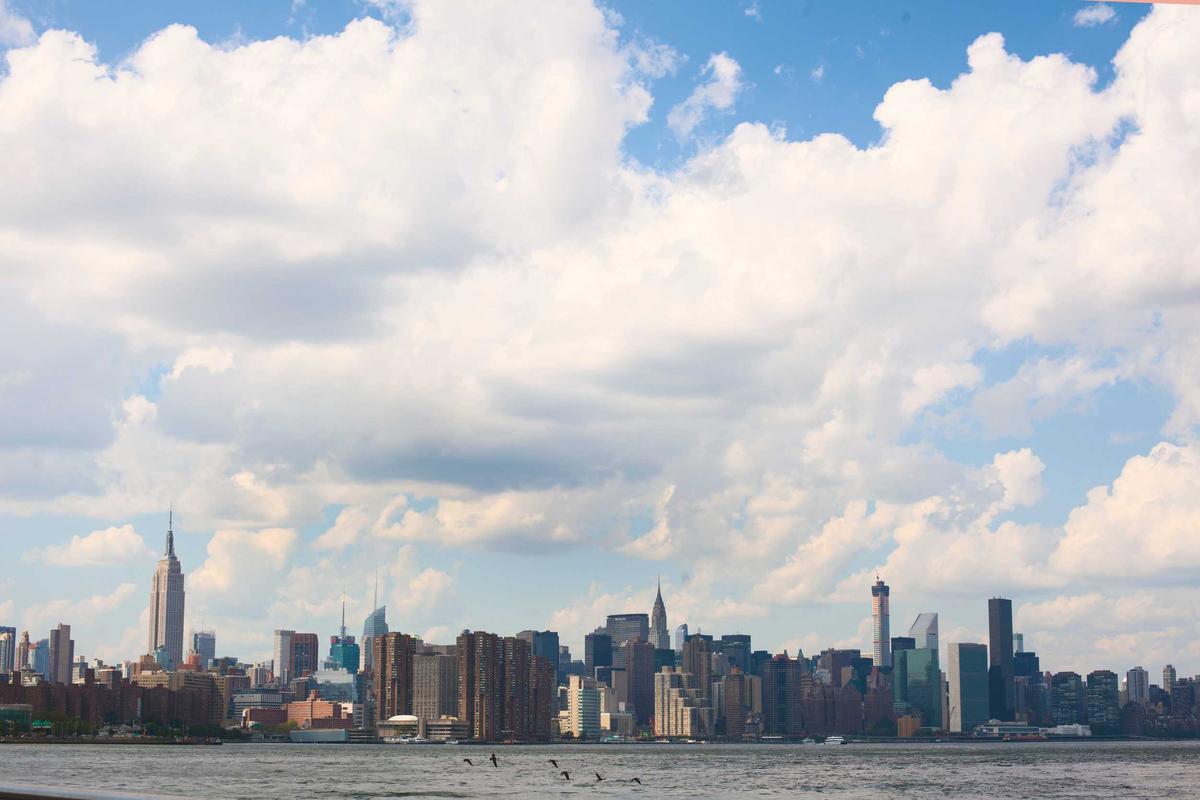

New York City’s bars and restaurants are struggling to stay afloat amid rising operating costs and uneven customer spending, and many are now weighing price hikes or staffing cuts, according to a quarterly survey by trade group NYC Hospitality Alliance covered by Gothamist. Among the 275 establishments that responded, half said they were breaking even or operating at a loss in the third quarter — a sharp dip after a strong spring powered by World Cup watch parties and Knicks games.
“These big events gave a lot of small businesses a big boost,” said Andrew Rigie, the alliance’s executive director, whose organization represents more than 3,000 restaurants. “Unfortunately, it seems that it was short-lived.”
The survey’s numbers sketch a grim ledger. About the same share of operators said sales were below expectations. Sixty-one percent said they had raised menu prices or were considering it. Fifty-seven percent reported cutting, or weighing cuts to, employee hours or staffing levels. Nearly half — 45% — named labor costs as their leading business concern, with inflation and tariffs, liability insurance premiums, and commercial rents close behind.
The math that operators describe is the kind where winning can still mean losing. “When you start to increase menu prices, you can deter customers from coming to the restaurant and spending money,” Rigie said. “Often, they will order differently. They’ll order less. So even some restaurants that have experienced increased overall sales, they’ve reported decreased profitability.”
The squeeze runs through the city’s affordability crisis as much as through suppliers’ invoices. When New Yorkers spend less on dinner, restaurants feel it directly — and when operators respond with higher prices, the same cost-of-living pressure that emptied the dining rooms gets worse. Rigie argued that policymakers need to treat restaurant economics as a policy problem, from commercial rent regulation debates to insurance reform, rather than leaving owners to absorb every increase.
The timing matters for a city government that just won office on pocketbook politics. Mayor Zohran Mamdani’s affordability agenda has yet to produce relief for small operators, who are watching a winter season arrive with thinner margins than last year. Hospitality remains one of New York’s signature industries — a system of tens of thousands of establishments that anchors tourism, employs hundreds of thousands of workers, and gives the city its nightly identity. A third of it running at or below break-even is not a restaurant story; it is a city-budget-shaped hole in neighborhoods across the five boroughs.
For now, the industry’s message to diners is contradictory but candid: keep coming, but expect menus, hours and staffing to keep adjusting while costs — labor, rent, insurance, and goods — refuse to come down. The survey covers the quarter that ended September 30; whether holiday spending reverses the slide is the question every operator will answer with their December receipts.